
Why 90% of Creator Collaborations Die After One Video
The exact system that makes partnerships compound instead of fizzle

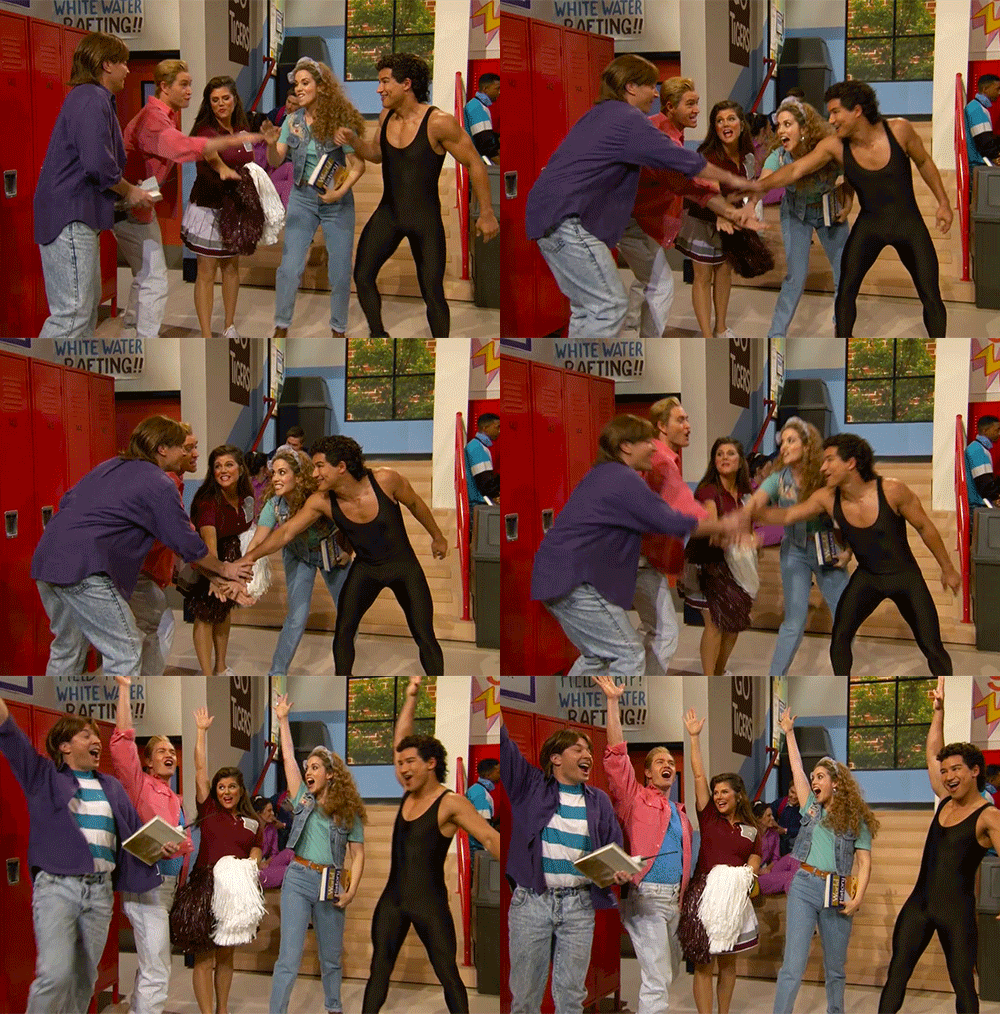
High schoolers are creating the next wave of influence through collaborating by default. Entire friend groups are building audiences together without calling it strategy.
One kid posts.
Another comments early.
Someone stitches it.
Someone else reposts.
Another kid films with the original poster and keeps up with the algorithmic momentum.
In my eyes, I see something even deeper happening that is the very reason why this kind of content compounds. None of this content is forced or branded, it’s real life social behaviour turning into distribution. Think of it like Team 10’s energy without the cringe, pressure, contracts, or egos. Instead we are getting daily proximity, shared context, and superrrrrr low stakes experimentation.
That’s why it works.
They’re not “trying to be influencers.”
They’re documenting life with people they already spend every day with.
The content feels natural because it is.
A little disclaimer because I want to be clear about something before you continue reading.
This isn’t about getting a group together to use each other. It’s not about manufacturing friendships for algorithmic gain.
Being a content creator is lonely, you feel siloed, you spend most of your time making decisions alone, executing alone, and wondering if you’re doing it right………alone. Most creators genuinely believe that doing everything themselves is just part of the deal.
I want to challenge that.
Some of the best ideas, best content, and best moments in this industry come from being around like minded people and building something together that neither of you could have built solo.
That’s what this is really about. People who get it, building with other people who get it.
The systems and agreements I walk through below exist to protect those relationships, not to replace the humanity in them.
So find your people, build with intention, and don’t carry it alone.
Today we’re covering:
Why high school friend groups are compounding reach faster than solo creators optimizing in isolation
The real reason 90% of collaborations fizzle after one video
The exact 4-step system that separates one-off videos from recurring partnerships that compound
Language that makes collaboration stick vs. phrases that kill partnerships before you start
The guardrails that prove when collaboration works and when it doesn’t
How to score collaboration fit across 3 dimensions
5 non-negotiables to lock in before filming
Micro-systems that make showing up together easier each time
Why high school friend groups are compounding reach faster than solo creators
From a strategy standpoint, this is reallllly smart for a few reasons.
Built in consistency because it’s likely you see each other every day.
Built in cast which means you don’t have to worry about creator burnout.
Built in distribution since early engagement comes from the group and even more so from the school/friends/community surrounding those in the video.
Built in narrative through the friendship, inside jokes, and shared experiences.
If I were in high school today and wanted to build a future in social media, I wouldn’t start by chasing niche authority like everyone says to do. I’d start by building a social graph.
First, pick one platform (probably TikTok) and post together the everyday stories that happen naturally with some structure of course.
Second, comment on each other’s videos preferably immediately but realistically as soon as you see it. This is much different than an engagement pod, because those are transactional. They’re built on obligation…you like my post, I like yours, comment, save, move on. The algorithm might register activity, but it doesn’t register interest because there’s no shared context, no narrative, and no reason a viewer should care beyond inflated metrics. That’s why pods burn out fast and hurt performance. Nobody and I mean nobodyyyyyy is looking at the 10 blue check marks commenting “omggggg love!!!” or “obsessed” and thinking, wow that’s some good authentic engagement. Plus, platforms are good at spotting behaviour that looks coordinated but doesn’t result in real watch time, rewatches, or organic sharing.
Third, I would then start to learn pacing, hooks, editing, humour, and audience reaction in real time with every video I upload or watch from my peers. That experience alone is more valuable than most paid courses.
The only thing I warn….this is only a good idea if it stays light and unforced.
Where it goes wrong is when people start chasing virality instead of skill. I know it all too well because I hear it with the creators I coach today. At some point, the numbers start to become your identity, pressure begins to replace play, someone in the group starts to blow up and hierarchy (and likely some jealousy/envy) creeps in. That’s when dynamics fracture and the content gets weird. The early success stories worked because no one was trying to “win.”
I believe in real communities creating together. People who would talk to each other even if the algorithm disappeared tomorrow. That’s why this new wave works. It’s social behaviour first, content second and platforms will always reward that more than anything engineered.

The Real Reason 90% of Collaborations Fizzle After One Video
Most adult creators are trying to grow in isolation.
I often ask creators what part of the job are they doing by themselves and the answer is “almost everything.” Strategy, planning, filming, editing, uploading etc. Like yeahhh it’s no wonder why momentum feels slow and burnout feels high. Meanwhile, groups of teenagers are compounding reach simply by existing together online consistently.
If you’re a creator today…..who are you building with?
Not “who are you networking with.”
Not “who could you collab with once.”
Who are you consistently visible beside?
What’s working isn’t one-off collaborations just as we scream to brands about. It’s ongoing shared narrative.
The Exact 4-Step System That Separates One-Off Videos From Recurring Partnerships That Compound
Step 1: Identify your proximity circle.
Work friends. Founder friends. Book club. Other creators. The people you already see often. Content compounds around continuity.
Step 2: Stop thinking in terms of audience overlap.
I know when I said “other creators,” you immediately thought about people with a similar audience. Nope. Not needed.
Identical audiences don’t push your content to more people or create more interest. We want audience adjacency. The magic happens when viewers start recognizing the same faces across accounts.
LA influencers do this extremely well. Some of those friendships might not be real, but others like Tara Yummy and Jake Webber, or Tana and Trisha — you know are legit. The audience feels it.
Step 3: Build micro systems.
Comment on each other’s posts. Not with “love this.” Thoughtful, real commentary that extends the conversation. Stitch or respond when it makes sense. Reference each other in captions naturally. Film together regularly.
The algorithm reads this as interconnected signal.
Step 4: Create recurring formats that require more than one person.
Not interviews or forced Q&As, I wanna see real dynamics.
Give me a debate, different takes on the same topic, some weekly breakdowns or better yet your shared experiments.
When the audience expects to see you together, you’ve moved from content to series.
The guardrails that prove when collaboration works and when it doesn’t
You cannot force chemistry, so don’t.
Don’t collaborate with people whose values clash.
Absolutely in no circumstances should you be turning every friendship into a monetized asset.
This works because it’s real first.
Collaboration teaches timing, pacing, and audience reading at a faster rate than solo posting ever will.
You learn what lands in group dynamics, see how humour travels, and you feel how momentum builds when multiple accounts move at once. That skill compounds far beyond one platform.
Forget individual authority, these next few years are gonna be all about social density. The more interconnected you are, the harder you are to ignore.
How to score collaboration fit across 3 dimensions
I always ask creators: “What part of the job are you doing alone?”
The answer is almost alwaysssss “Omg, absolutely everything. Strategy, planning, filming, editing, uploading. You name it, I do it.”
Yeahhhhh, so it’s no wonder why momentum feels slow and burnout feels high. Meanwhile, groups of teenagers are compounding reach simply by existing together online consistently.
So here’s the question that matters…who are you building with?
Not “who are you networking with.”
Not “who could you collab with once.”
Who are you consistently visible beside?
What separates creators who build sustainable momentum from ones who burn out chasing it alone is simple. It’s all in understanding how to engineer social density without losing authenticity.
Most creators think collaboration means:
Finding someone with identical audience size
Doing a one off video
Hoping their followers transfer over
That’s not how distribution compounds. The real system involves proximity circles, audience adjacency, and micro systems that create interconnected signal the algorithm can’t ignore.
It’s how LA influencers operate and how podcast networks scale. It’s also how you reduce burnout, increase output, and build content that feels effortless because you’re not carrying it alone. The most successful creators and talent managers I work with who absolutely ~get it~ have systems built with intent, none of them are winging it.
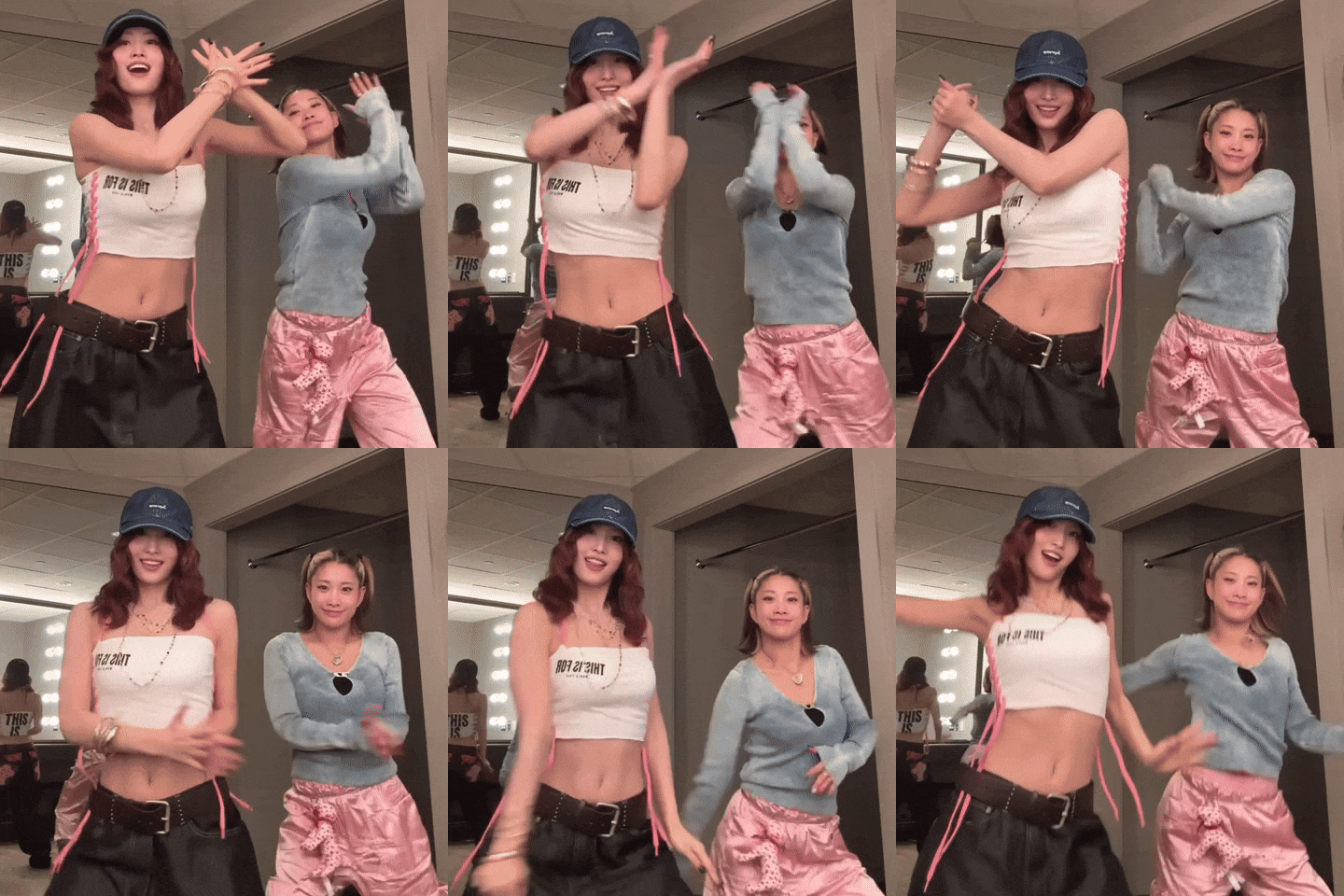
Before you reach out to anyone, you need to map your collaboration fit score across three dimensions.
But first — I know what you’re thinking. “Isn’t this just strategic friend making? Isn’t this clout chasing??”
No, it’s not, and here’s why.
If you’re a creator, you’ve almost definitely met people and thought “I’d genuinely hang out with them, we’d get along” but instead of actually making plans, you either let it fizzle or you have this weird ego thing where collaborating feels like admitting you need someone else. So you stay in your silo and keep grinding alone.
Collaborating by default isn’t clout chasing. It’s the same as becoming friends with coworkers and going for drinks after work. The work brought you together. The friendship is still real.
The difference is intent.
This only works if it’s built on genuine connection, if you are selfishly thinking “if we collaborate I’ll grow my following and boost my ERG” than this ain’t for you. The moment it becomes transactional, the content feels it, the audience feels it, and eventually, you’ll feel it too.
So go in with the right energy. The systems I’m about to walk through are there to protect real relationships.
Below is everything I wish someone had handed me before I started building with other people.
Read it before you film anything.
